No. 03 — The notebook
Research
dispatches.
Project writeups for technical readers: architecture, evidence, results, limitations, and the next experiment. No life-hacks, no executive summaries dressed up as essays.
Table of contents
01
Jul 22, 2026
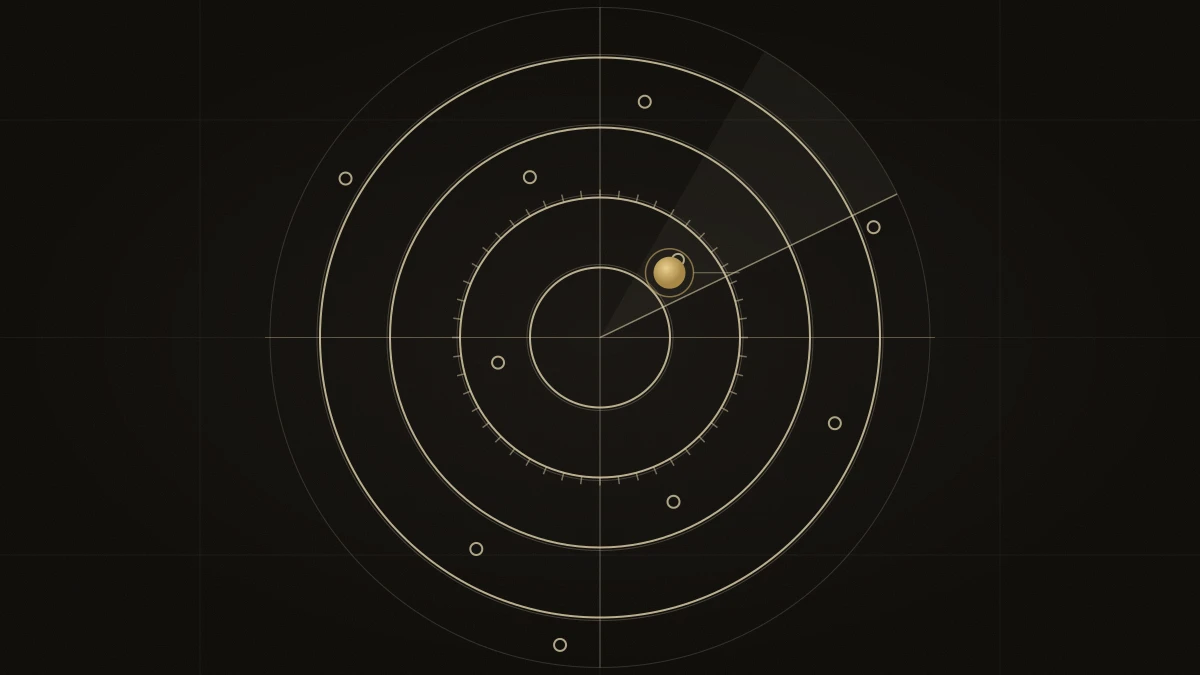
A Personal Tech Radar for AI Tooling
Thoughtworks built the Tech Radar for organizations. I built one for a single practitioner — automated weekly scans, priority-scored ADOPT candidates, and a memory system that compounds. Here's the architecture, and a real trace from radar signal to integrated tool in under a day.
AI Engineering
7 min
02
Jul 2026
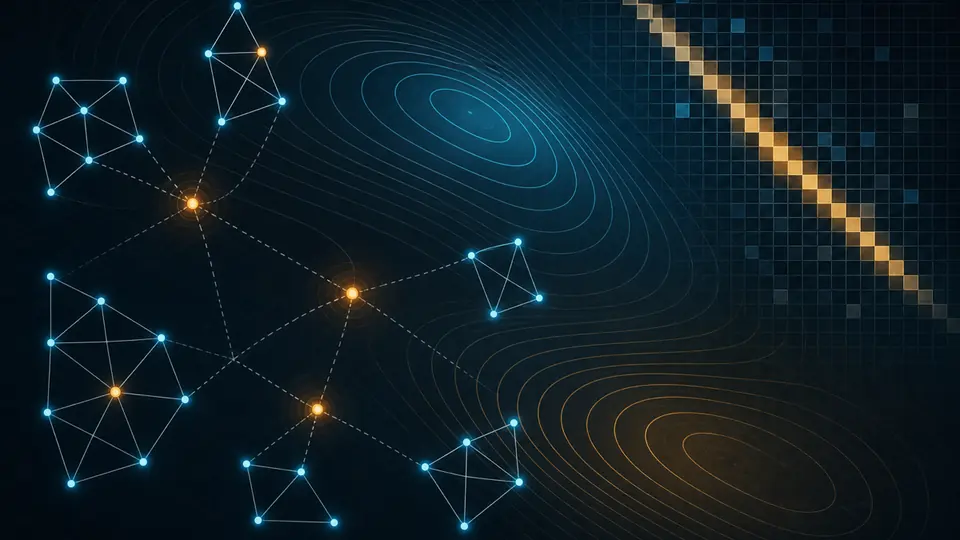
A Certified Lower Bound for the Erdos Minimum Overlap Constant
The complete write-up: twelve interval-arithmetic certificates, a transport proposition that makes them usable inside a parameter cover, a correction to the upper-bound record, and the proofs behind five dead ends.
Mathematics
28 min
03
Jul 2026
Erdos Minimum Overlap: Certifying Both Ends of a Gap
I set out to improve a lower bound. I ended up rebuilding the certificate underneath it, and finding that the number widely cited as the record upper bound is not a bound at all.
Mathematics
14 min
04
May 2026
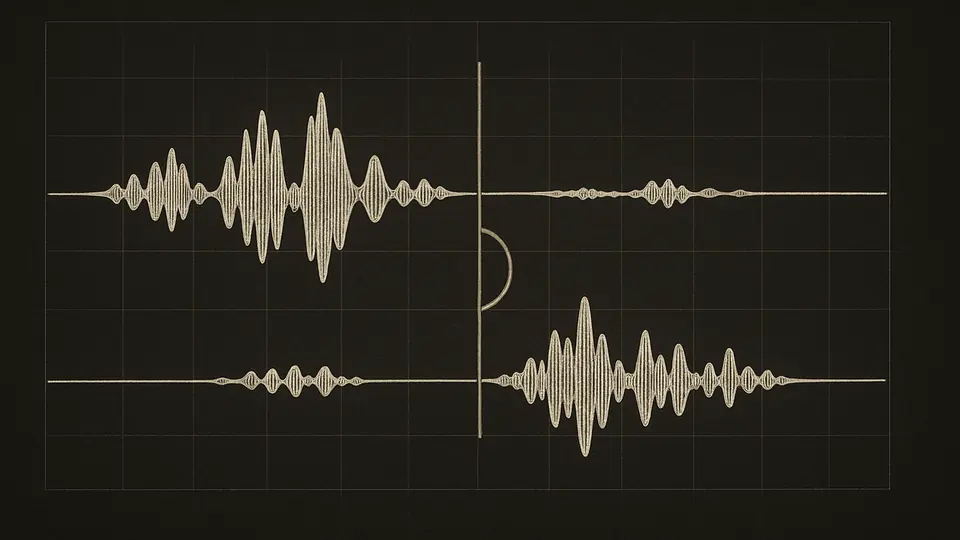
PersonaPlex-MLX: Toward a Full-Duplex Local Agent Interface
PersonaPlex-MLX asks whether a personal AI interface can feel conversational at human speed while still doing real, inspectable agent work. The project combines local speech infrastructure, cancellable interaction loops, task contracts, risk gates, and evidence-backed worker execution into a gated research program.
AI Research
13 min
05
May 2026
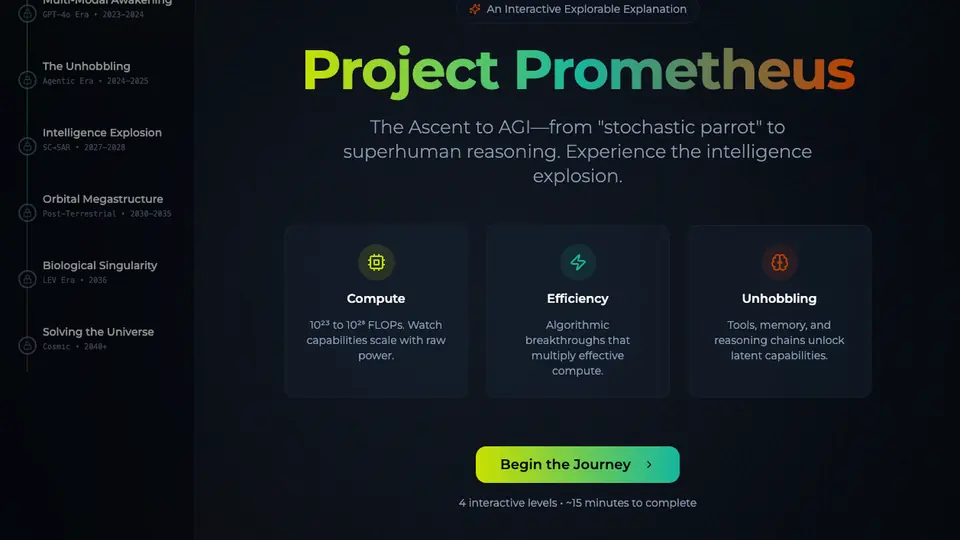
Project Prometheus: Teaching AI Evolution Through Interactive Systems
Project Prometheus reframes AI education as simulation rather than explanation: a way to explore capability shifts across rules, neural networks, transformers, agents, and emerging multimodal systems.
AI Education
7 min
06

Mar 31, 2026
Harness Engineering: The Discipline That Makes AI Agents Production-Ready
Harness engineering treats the agent runtime as a first-class system. The article maps failures to concrete levers: instruction design, tool exposure, context hygiene, sub-agent boundaries, memory, and evaluation.
AI Engineering
8 min
07

Mar 10, 2026
Building a Personal AI OS: Memory, Procedures, and Feedback Loops
This project treats a personal AI system as infrastructure rather than a chat surface: memory, procedural recall, scheduled context, measurement, and operating principles that compound over time.
AI Engineering
12 min
08
Feb 14, 2026
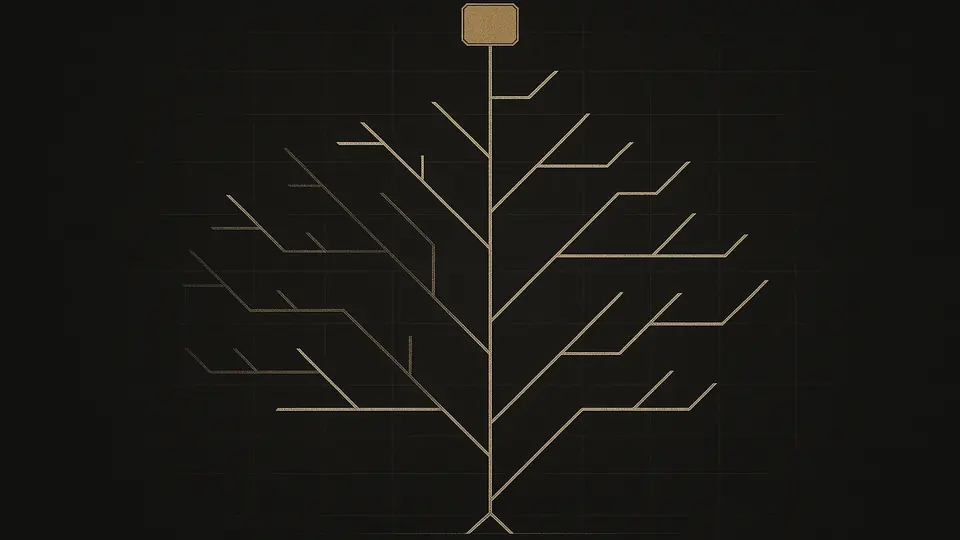
AgentEvolve: When LLM Orchestration Helps — and When It Hurts
Multi-step workflow orchestration (plan→execute, critique→refine) is widely assumed to improve LLM output. I tested this assumption empirically across 6 models. The answer: orchestration helps at 70B+ but hurts at 30B and below. The inflection point lies between 30B and 70B parameters.
AI Research
12 min
09
Feb 14, 2026
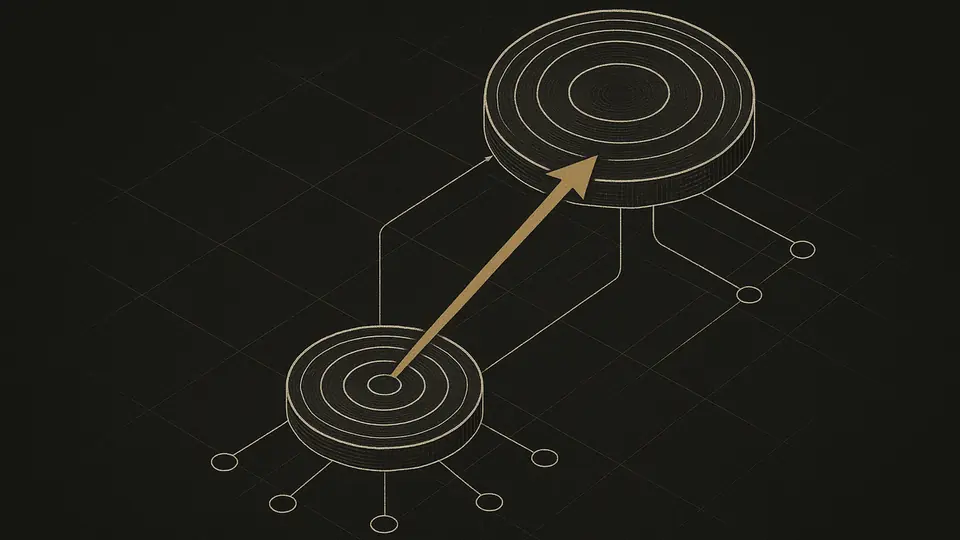
Claudia Voice: Two-Tier Conversational AI Architecture
Voice assistants should feel like conversations, not command interfaces. Most implementations use a serial pipeline with 3-5 second latencies. Claudia Voice uses two-tier routing that handles 85% of queries at 700ms while preserving depth for complex interactions.
AI Systems
10 min
10
Feb 14, 2026
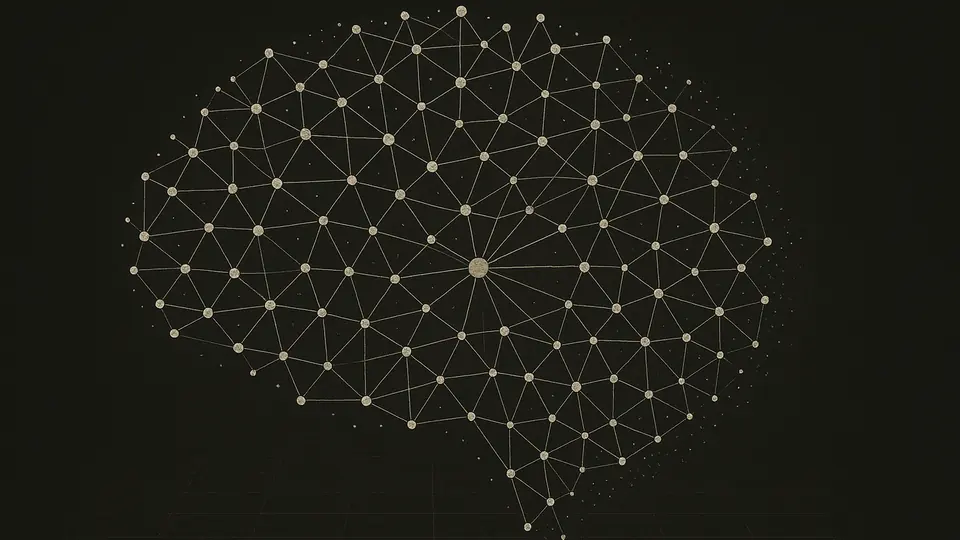
Engram: Cognitive-Inspired AI Memory Architecture
Engram tests whether cognitive memory mechanisms improve long-term AI continuity. In production use, it combines vector retrieval, markdown traces, temporal reasoning, entity tracking, and relevance gates.
AI Research
15 min